Components of a possible April bond issue were discussed at the Community R-VI board meeting Oct. 15.
Community R-VI Superintendent Chad Harter distributed a sheet that featured areas of …
This item is available in full to subscribers.
We have recently launched a new and improved website. To continue reading, you will need to either log into your subscriber account, or purchase a new subscription.
If you are a digital subscriber with an active subscription, or you are a print subscriber who had access to our previous website, then you already have an account here. Just reset your password if you have not yet logged in to your account on this new site.
If you are a current print subscriber and did not have a user account on our previous website, you can set up a free website account by clicking here.
Otherwise, click here to view your options for subscribing.
Please log in to continue |
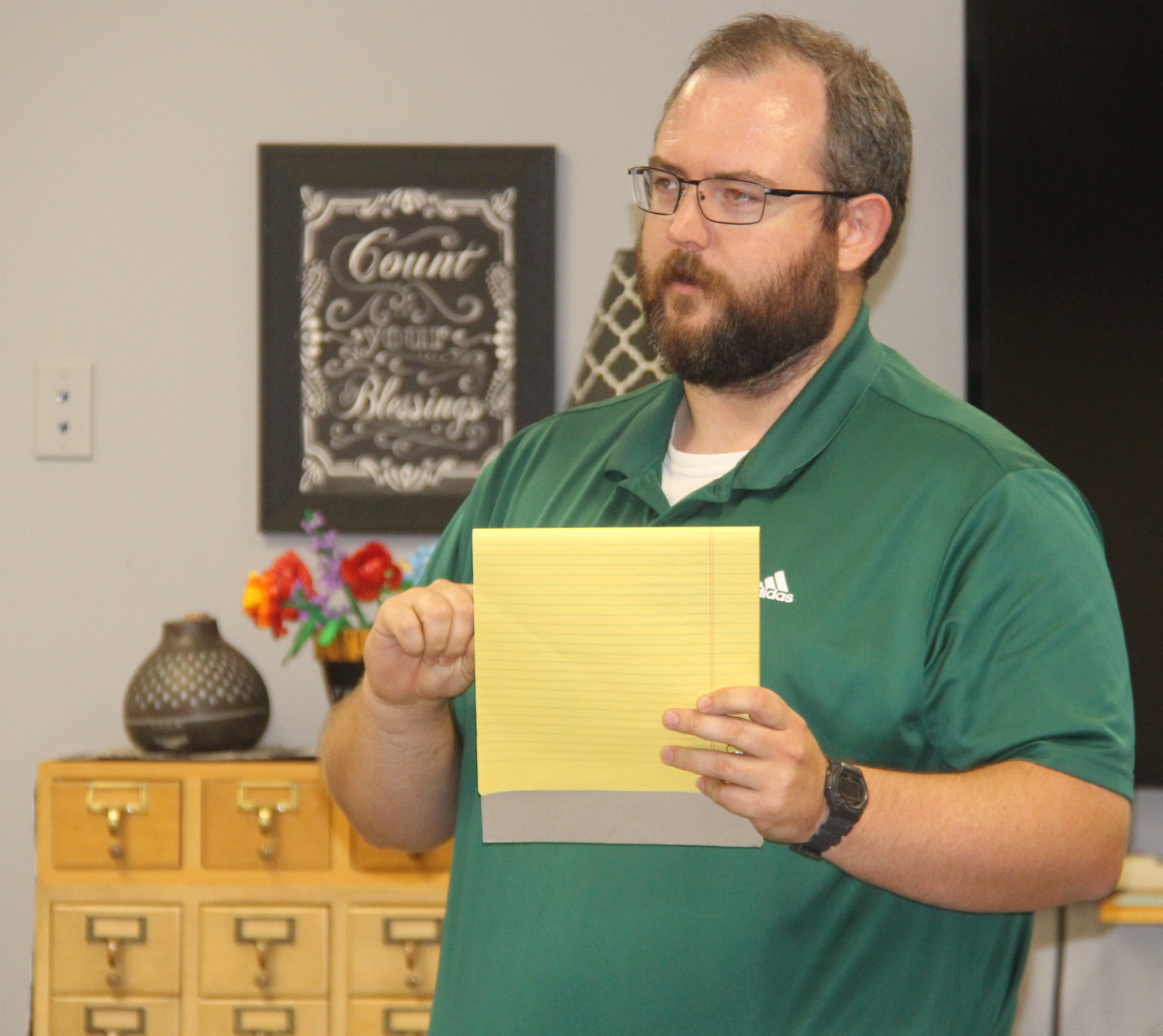
Components of a possible April bond issue were discussed at the Community R-VI board meeting Oct. 15.
Community R-VI Superintendent Chad Harter distributed a sheet that featured areas of upgrades in the district. No decisions were made, as the issue was discussed in the new business portion of the meeting. Harter called it a ”temperature check,” as far as where the district is at this point with some projects it has and taking a look at the methodology of financing those projects.
The list he gave was written with the intent of it to be a strategically layered grouping of importance, with the list derived, among other channels, from conversations Harter has had with board members and staffers as well as conversations with the public.
“The specifics of what the scope is on these particular items is not really what we’re taking a look at tonight,” Harter said, adding that the district is looking at whether these projects would be moved forward and whether a bond issue should be placed on the April ballot.
Later, in an email, he said the district wanted to affirm that the voice and input of the community were what the district would be presenting before proceeding with a resolution.
The no tax increase bond measure in April would be up to the amount of $1.525 million, Harter said. The items discussed to impact with that money include the following items:
Harter said in an email that depending on cost, if money were left over from these projects, the district would also look at purchasing a new or quality used bus and updating its lawn care equipment. He also said that the board was in consensus that moving forward in the process would be of benefit to the school, community, and students. The district’s next steps will be to partner with its bonding firm on possible ballot language to draft a proposed resolution. That resolution will be discussed and voted on in a future meeting, with the deadline to file for the April ballot being Jan. 27.
The district had bond issues in 2019, 2021, 2023 and 2024. Each was approved by voters.
The board heard a presentation from Dominik Lehman, 6-12 band director for the district, who discussed activities in the program and class, including sixth grade, whose students will do a Christmas concert. The board also heard reports from Elementary Principal Jessie Mommens and Secondary Principal Bob Davies.
Mommens discussed the Special Olympics event held Oct. 10 at South Callaway. Among other events at Community R-VI, members of the Harlem Wizards visited the school, as the team was in the area for a game two weeks ago in Mexico.
Davies discussed how he and two other people from the school - high school counselor Jennifer Gilman and high school teacher Haley Larson - attended the Build My Future career fair event Oct. 15 in Jefferson City. At the event, 11 students - junior and senior students - got a chance to learn about career options.
Also at the meeting, Harter discussed the Child and Adult Card Food Program. The district’s application will be examined, and a determination will be rendered by the grantor based on need, Harter said later in an email. This would be a federal procurement, he said.
“If we qualify, we could possibly have a portion of our school or our entire school that would qualify for free lunches under this program,” he said. “Our numbers in elementary look favorable for acceptance. If accepted into the CACFP program, we would not have to reapply for four years provided we met expectations with our annual audit.”


